
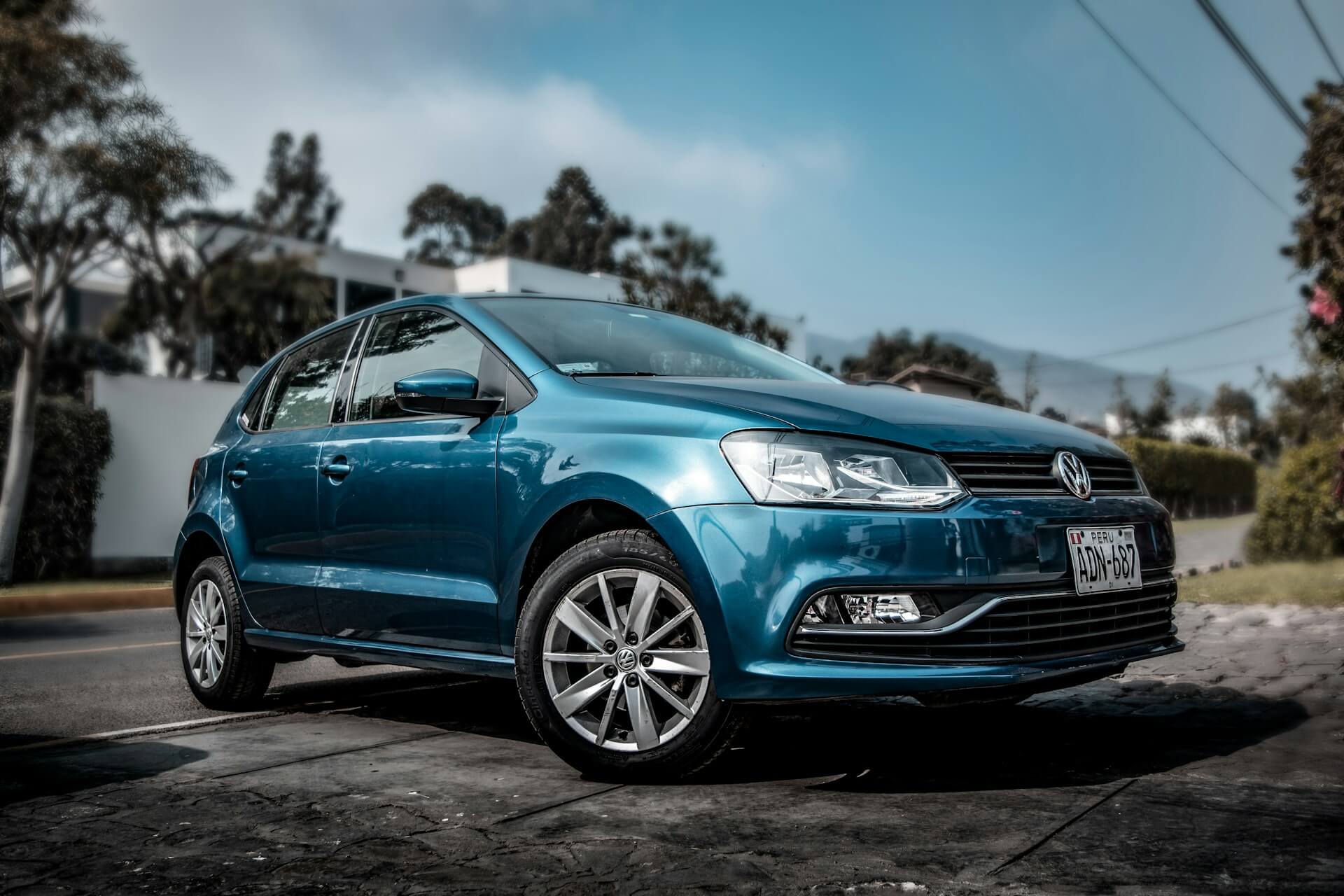
Your car might already be quick. It might be reliable, comfortable and perfectly capable of doing everything you ask of it.
But sometimes you know there is more available.
Perhaps the throttle feels slightly dull. Maybe overtaking requires more effort than it should, or your turbocharged engine feels restricted despite having plenty of performance potential.
That’s where professional car performance tuning comes in.
At Remaps Bournemouth, we provide car performance tuning in Bournemouth for drivers who want more power, stronger torque, improved response and a more engaging driving experience.
Remaps Bournemouth works with a wide range of petrol and diesel vehicles, from everyday hatchbacks and diesel vans to modern performance cars.
The goal isn’t simply to chase the biggest number possible.
It’s to make your vehicle perform better in the real world.
What Is Car Performance Tuning?
Car performance tuning involves optimising or modifying aspects of a vehicle to improve the way it performs.
Modern vehicles are heavily controlled by electronics.
The Engine Control Unit, commonly known as the ECU, manages many of the parameters responsible for how your engine operates.
Depending on the vehicle, these can include turbocharger boost, fuelling, ignition timing, torque management and throttle behaviour.
ECU remapping allows relevant areas of the engine software to be recalibrated.
For more advanced performance builds, tuning can also involve supporting hardware modifications designed to increase the engine’s capabilities.
Why Tune Your Car?
There isn’t one reason that applies to every customer.
Some drivers simply want more horsepower.
Others care much more about torque and responsiveness during everyday driving.
You might have bought a performance vehicle and want to unlock more of what the engine can offer, or you may drive a diesel every day and want stronger acceleration without replacing the car.
Good performance tuning should start with that objective.
Before asking how much power we can add, ask what you want the vehicle to do better.
More Horsepower
Horsepower is usually the figure that receives the most attention.
On suitable turbocharged vehicles, ECU tuning can produce noticeable increases without necessarily requiring major mechanical changes.
Exactly how much depends on the engine.
Some platforms leave the factory with considerable software tuning potential, while others are already operating much closer to the capabilities of their standard hardware.
That’s why we avoid promising one percentage increase for every vehicle.
Increased Torque
Torque can make an even bigger difference to everyday driving.
Additional mid-range torque means the engine can pull harder without constantly needing to change gear or chase high RPM.
You’ll notice this when joining a motorway, overtaking or accelerating from lower speeds.
For turbo diesel vehicles and vans, increased torque can completely change how effortless the vehicle feels.
Improved Throttle Response
Performance isn’t only about how much power an engine produces.
It’s also about how quickly that performance becomes available when you ask for it.
A car with strong peak horsepower but lazy throttle response can still feel disappointing.
Where appropriate, ECU calibration can improve throttle behaviour and make the vehicle respond more immediately to accelerator input.
That can make the entire car feel sharper.
Better Power Delivery
More power isn’t automatically better power.
A huge spike of torque might create an impressive graph, but it isn’t necessarily what you want from a road car.
Progressive power delivery can provide better traction, greater control and a more enjoyable driving experience.
At Remaps Bournemouth, we believe performance should be usable.
The vehicle should feel stronger throughout the rev range rather than simply producing a headline figure at one particular point.
Stage 1 Performance Tuning
Stage 1 is where most customers begin.
A Stage 1 remap is generally intended for vehicles running standard engine hardware.
The ECU software is optimised to improve performance without requiring you to replace major components.
For modern turbocharged vehicles, this can offer an excellent performance improvement relative to cost.
Who Is Stage 1 For?
Stage 1 is ideal for drivers who want more from their existing vehicle without turning it into a major project.
You may use the car every day but want better acceleration.
You might own a hot hatch that feels slightly restricted from the factory.
Or perhaps your diesel has plenty of potential but lacks the torque you’d like during normal driving.
For many vehicles, Stage 1 provides the best balance between performance and practicality.
Stage 2 Performance Tuning
Stage 2 takes things further.
Instead of tuning around completely standard hardware, Stage 2 usually involves supporting performance modifications.
Exactly what is required depends on the engine.
Some vehicles may benefit from improvements to intake airflow or cooling before additional performance is requested.
The ECU calibration then needs to account for those modifications.
Stage 2 isn’t simply a stronger Stage 1 file.
The software and hardware should work together.
Stage 3 Performance Tuning
Stage 3 is aimed at substantially modified vehicles.
At this level, components such as the turbocharger, fuel system, cooling and drivetrain may all need to be considered.
A vehicle with an upgraded turbo has fundamentally different capabilities from the standard car.
Its calibration therefore needs to be developed around that setup.
Stage 3 is usually for enthusiasts looking to build a genuinely high-performance vehicle rather than simply improve a standard daily driver.
Petrol Performance Tuning
Modern turbocharged petrol engines can offer excellent tuning potential.
Vehicles from manufacturers such as Volkswagen, Audi, BMW, Mercedes-Benz, Ford, Cupra, SEAT and Skoda are popular examples, although suitability always depends on the specific engine.
ECU calibration can potentially improve boost control, fuelling, ignition strategies, torque management and other relevant parameters.
The result can be considerably stronger acceleration and improved response.
Performance-oriented petrol vehicles can be particularly rewarding because the standard hardware may have substantial capability available.
Diesel Performance Tuning
Turbo diesel engines respond differently but can also benefit significantly from performance tuning.
Torque is often the biggest attraction.
Additional low and mid-range performance can make a diesel feel much stronger without requiring you to constantly work the engine hard.
This can be particularly useful for larger vehicles and vans.
A quality diesel calibration should concentrate on strong, controlled performance.
Excessive smoke isn’t evidence of good tuning.
Can Performance Tuning Improve Fuel Economy?
Potentially, particularly with certain diesel vehicles.
Increased torque can mean less throttle input is required to achieve the same acceleration during normal driving.
However, fuel economy ultimately depends on how you use the additional performance.
If your newly tuned car encourages you to accelerate harder everywhere, don’t expect fuel consumption to magically improve.
Performance requires energy.
If economy is particularly important to you, mention that when discussing your tuning requirements.
Is Car Performance Tuning Safe?
This depends on the condition of the vehicle, the level of tuning and the quality of the calibration.
Increasing engine performance places additional demand on mechanical components.
That’s unavoidable.
The objective is to tune within sensible parameters and ensure the vehicle is suitable before increasing its output.
Start With a Healthy Vehicle
A remap doesn’t repair mechanical faults.
If your vehicle already has problems with its turbocharger, injectors, cooling system, clutch or gearbox, those problems should be addressed first.
Increasing performance can expose an existing weakness.
If you have warning lights or known mechanical problems, tell us before tuning.
Maintenance Matters
A tuned vehicle still needs to be maintained properly.
In fact, maintenance becomes increasingly important as you move further beyond factory performance levels.
Quality oil, appropriate servicing and addressing developing problems early all help provide a better foundation for performance tuning.
Will Tuning Affect My Clutch or Gearbox?
Potentially.
Additional engine torque has to travel through the drivetrain.
A healthy clutch may comfortably handle a sensible increase, while a heavily worn clutch could begin slipping once additional torque is introduced.
Automatic and dual-clutch transmissions also have torque limitations.
On more extensively tuned vehicles, transmission calibration or hardware upgrades may need to be considered.
The engine isn’t the only part of a performance vehicle.
Can Automatic Cars Be Performance Tuned?
Yes.
Many modern automatic cars respond extremely well to ECU remapping.
The transmission simply needs to be considered when determining appropriate torque levels.
Certain vehicles can also benefit from transmission tuning, particularly at more advanced performance stages.
This can help the gearbox work more effectively alongside the increased engine output.
Do I Need Hardware Modifications?
For Stage 1, usually not.
That’s one reason ECU remapping is such a popular first performance modification.
You can potentially achieve a noticeable improvement while retaining the vehicle’s standard engine hardware.
Stage 2 and Stage 3 are different.
As performance targets rise, supporting components become increasingly important.
Rather than buying modifications randomly, it’s better to decide what you want to achieve and build the vehicle accordingly.
What About Emissions Equipment?
Road-going vehicles still need to comply with applicable UK emissions and MOT requirements.
Performance tuning doesn’t automatically require removing DPF, SCR, AdBlue or other legally required emissions systems.
For road vehicles, we recommend retaining required emissions equipment and keeping it functioning correctly.
If your vehicle already has an emissions-related fault, that should be diagnosed before performance tuning.
A remap shouldn’t be used to hide an existing problem.
How Much Does Car Performance Tuning Cost in Bournemouth?
The cost depends on your vehicle and the level of tuning required.
A Stage 1 ECU remap on a standard vehicle will generally cost considerably less than a Stage 3 build involving extensive hardware modifications.
Don’t judge tuning solely by price.
You’re modifying software that controls an expensive and mechanically complex engine.
Saving a relatively small amount isn’t necessarily worthwhile if you’re unsure about the quality of the calibration or service you’re receiving.
Contact Remaps Bournemouth with your registration for an accurate quote.
How Long Does Performance Tuning Take?
This depends on the ECU and the work required.
Some vehicles can be tuned through the diagnostic port.
Others require bench or boot access to the ECU.
More extensively modified vehicles can require additional consideration because the calibration needs to match the hardware installed.
When you provide your vehicle details, we can advise what the process involves.
How Much Power Can My Car Gain?
There is no responsible universal answer.
Your make, model, engine, factory output, ECU and modifications all influence the potential result.
Turbocharged vehicles typically provide the greatest scope for ECU-based performance gains.
Naturally aspirated vehicles can also be tuned, although improvements are often more modest.
If you want realistic figures, provide your exact vehicle details rather than relying on generic percentages.
Why Choose Remaps Bournemouth for Performance Tuning?
At Remaps Bournemouth, we want to understand what you want from your car before deciding how it should be tuned.
Not everybody needs maximum power.
For one customer, success might mean stronger overtaking performance and improved throttle response.
For another, it might mean transforming a turbocharged performance car with a Stage 2 setup.
And for someone building a heavily modified vehicle, the goal might be extracting significantly more from upgraded hardware.
Different objectives require different approaches.
We focus on making the vehicle perform better where it actually matters: on the road.
Car Performance Tuning in Bournemouth FAQs
What is the best first performance modification?
For many modern turbocharged vehicles, a Stage 1 ECU remap can provide an excellent improvement without requiring significant hardware modifications.
Can performance tuning damage my engine?
Increasing performance adds mechanical demand, which is why vehicle condition and sensible calibration matter.
Existing faults should be repaired before tuning.
Can diesel cars be performance tuned?
Yes. Turbo diesel vehicles can respond particularly well, especially in terms of increased torque.
Can you tune automatic vehicles?
Yes. Many automatic vehicles can be remapped, although transmission limitations should be considered.
Will tuning make my car use more fuel?
It can if you regularly use the additional performance.
During sensible driving, some vehicles may maintain or potentially improve efficiency.
Do I need Stage 2 or Stage 3?
Not necessarily.
For many road cars, Stage 1 provides all the additional performance the driver actually wants.
Book Car Performance Tuning in Bournemouth
If your vehicle feels like it has more to give, you don’t necessarily need to replace it.
The right tuning can transform the way a familiar car feels.
At Remaps Bournemouth, we’ll discuss your vehicle, how you use it and what you want to improve before recommending the appropriate tuning option.
If you’re looking for car performance tuning in Bournemouth, contact Remaps Bournemouth with your registration, make and model.
We’ll help you understand your vehicle’s tuning potential and the most suitable route towards more power, stronger torque and a better driving experience.
Get A Quick Quote
Please provide your contact details here, and we’ll get back to you shortly with a personalised quote.